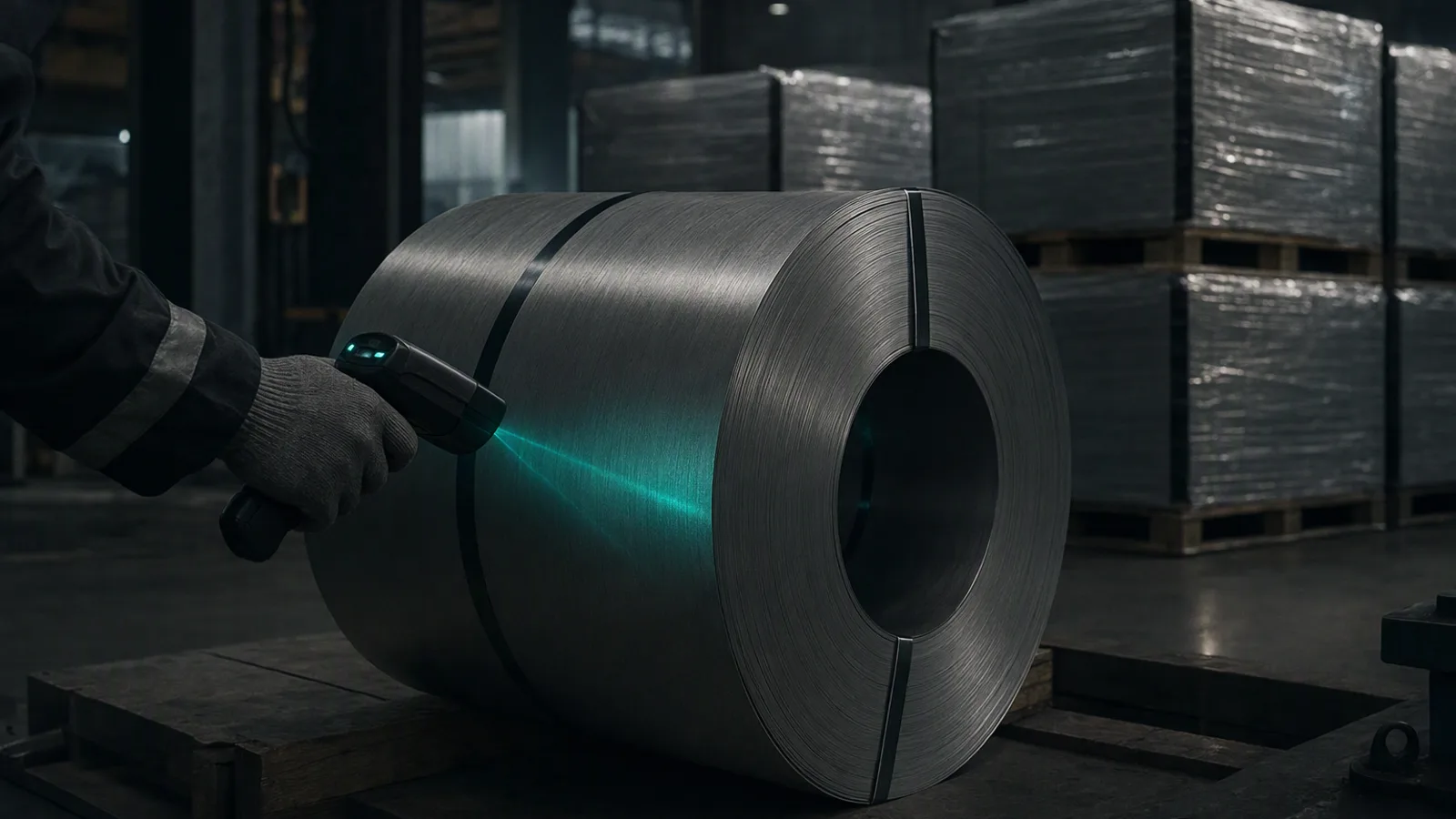
A promise date assumes the material will be there. The cheapest component on the bill stops the most expensive order, and the shortage is found on the day it is needed.
The plan sequences orders as if every changeover cost the same. On the floor it depends on what ran before, who is on and which tooling is free. Dates slip, nobody is wrong.
Android XR makes glasses an endpoint for an AI agent. What runs on the device, what in the vendor's cloud, what in the plant's own systems, and what it may do.
Display glasses with an AI agent now have a price. What they could do at a workstation, what a cable and a puck mean on a factory floor, and why Europe waits.
European product rules are moving toward structured product data. Captured during production it is cheap; reconstructed from scattered records months later, it is not.
AI can draft a new schedule in seconds. Whether anybody acts on it depends on whether the reasoning is visible, and on who answers for the result when it goes wrong.
In an office, a cloud outage costs a morning. On a line it costs production. That makes running on site a practical requirement in a factory, not a matter of principle.
Rework, holds and deviations are recorded in a binder, not against the order that caused them, so the job that loses money looks fine and everything else pays for it.
Between the ERP and the floor sits a file only one planner fully understands. It is the real scheduling system, and it is one laptop away from a very bad week.
Every plant runs two records of the same production, both maintained honestly, and reconciles them once a month. That delay is where the variance comes from.
Most plants are already instrumented. The data goes to maintenance and stops there, so the plant is well measured for engineering and blind for planning.
Most plants can produce the records an auditor asks for. Far fewer can answer which shipped units contain a suspect batch, before the second phone call arrives.
Standard times describe an operation running well with nothing going wrong. Schedules built on them are optimistic by a factor nobody measures and everybody absorbs.
Reading from a machine is an integration problem. Writing to one is a safety problem, and they should never be presented as two settings of the same feature.